Antioxidants in Natural Compounds
An educational exploration of antioxidants, their biological roles, and their presence in various natural sources studied in scientific research.
What Are Antioxidants?
Antioxidants are natural compounds that play important roles in biological processes. In scientific terms, they are substances that can prevent or slow oxidation—a chemical process that occurs naturally in the body.
The term "antioxidant" refers to the molecular ability to donate electrons or prevent other molecules from losing electrons. This property is studied extensively in research because oxidative processes occur throughout living systems.
Common types of antioxidants include vitamins such as vitamin C and vitamin E, minerals like selenium and zinc, and various plant compounds such as polyphenols and flavonoids.
Biological Processes and Oxidation
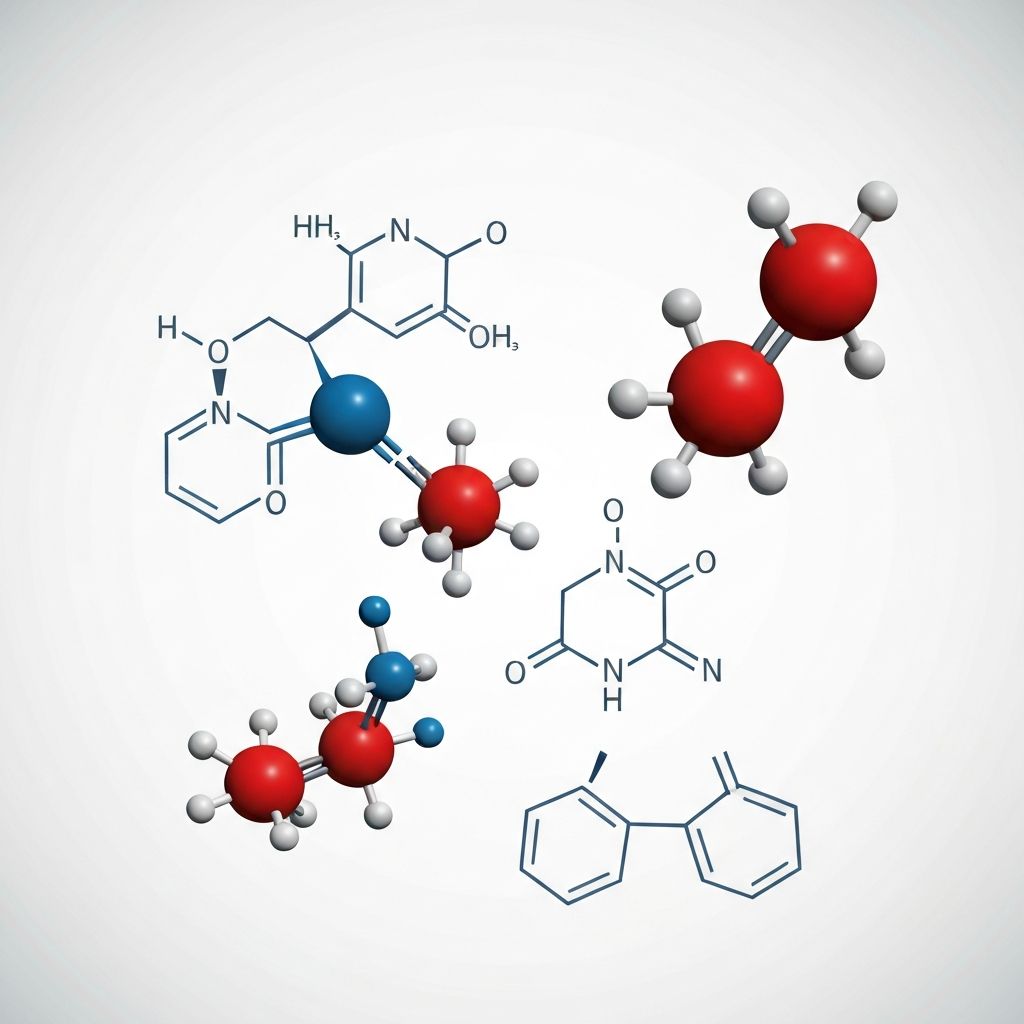
Oxidation is a natural chemical process that occurs in every living organism. During cellular metabolism, the body generates molecules called free radicals as a byproduct of various biochemical reactions, including energy production and immune function.
In a balanced state, antioxidants and pro-oxidative compounds work in equilibrium. This balance is essential for normal cellular function. Research explores how this equilibrium is maintained and what factors influence it.
Scientists study how natural compounds containing antioxidants might support this biological balance, though responses vary among individuals based on genetics, lifestyle, and overall health status.
Natural Sources of Antioxidants
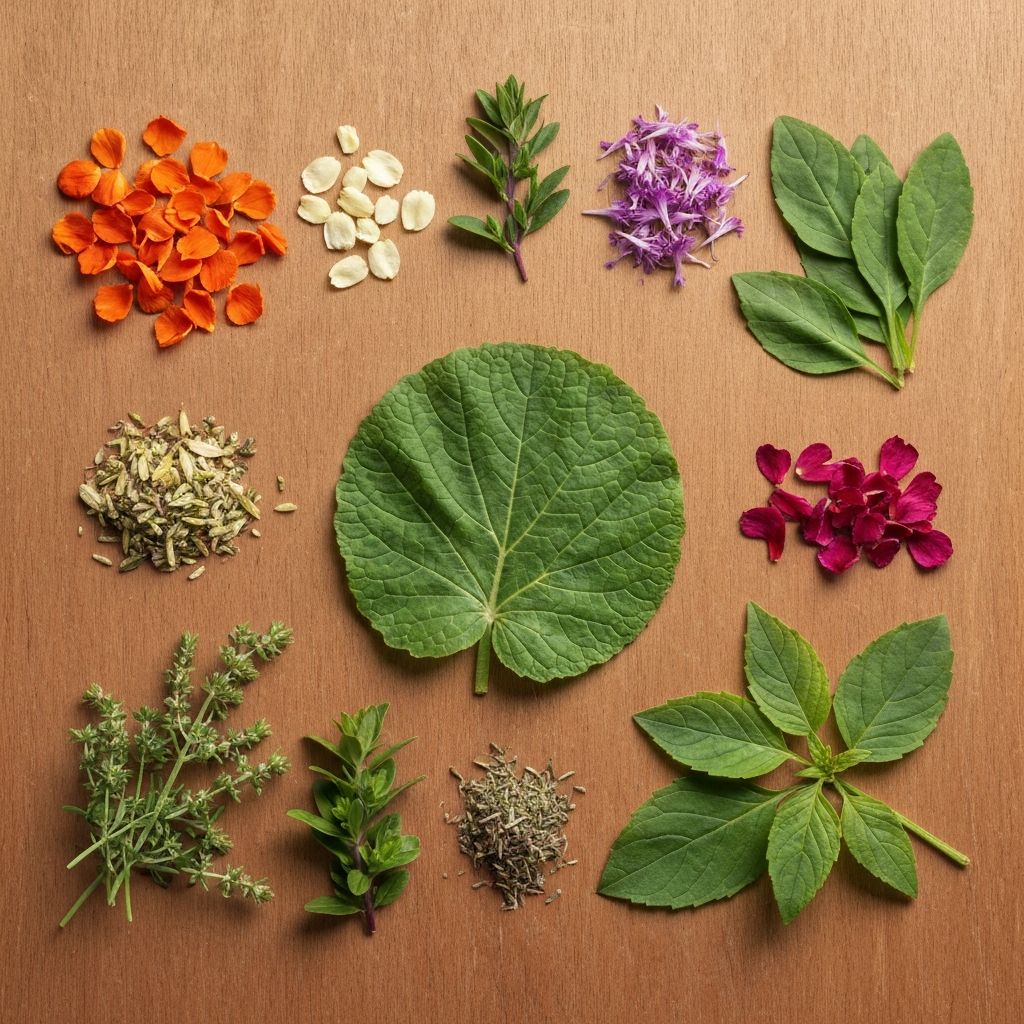
Antioxidants occur naturally in many botanical sources and plant-based foods. Berries, citrus fruits, green tea, and various herbs contain substantial quantities of antioxidant compounds. These are studied to understand their composition and potential properties.
Different plants contain different antioxidant profiles. For example, green tea contains catechins, berries contain anthocyanins, and herbs like oregano and turmeric contain polyphenols. Each has unique chemical structures and biological characteristics.
The concentration and type of antioxidants can vary based on growing conditions, harvest timing, processing methods, and storage conditions—all factors that researchers examine when studying these compounds.
Antioxidant Research
Scientific research explores how antioxidants function at the molecular level and how they may interact with biological systems. Researchers use various methodologies to study these compounds in laboratory and controlled settings.
- In Vitro Studies: Controlled laboratory experiments examining how antioxidants behave in isolated cellular or molecular systems.
- In Vivo Research: Studies conducted with living organisms to observe how antioxidants are absorbed, metabolized, and distributed in the body.
- Epidemiological Studies: Research tracking antioxidant consumption patterns in populations to identify associations with health outcomes.
- Bioavailability Studies: Investigation of how effectively antioxidants from natural sources can be absorbed and utilized by the body.
- Stability and Preservation: Research on how antioxidant content changes during processing, cooking, and storage of natural sources.
Antioxidants and General Wellness
While individual responses to antioxidant-rich compounds vary, researchers continue to explore their potential roles in supporting various biological processes. The scientific consensus emphasizes that antioxidants are important components of a balanced diet and healthy lifestyle.
Consuming a variety of plant-based foods rich in antioxidants—including fruits, vegetables, whole grains, nuts, and herbs—is generally recognized as part of a healthful dietary approach, though specific outcomes depend on numerous individual factors.
Educational Information Disclaimer
This article presents information about antioxidants in an educational context. It explains their biological roles and presence in natural sources without making medical claims about their effectiveness in treating or preventing any disease or condition.
Antioxidant intake, individual health responses, and dietary decisions should always be discussed with qualified healthcare professionals. This content is not medical advice.